Pelvic Girdle Pain After Birth: You Don't Have to Just Live With It
Pelvic girdle pain is one of the most underdiagnosed postnatal conditions. It is not just 'hip pain from pregnancy' - and physiotherapy can make a significant difference.

Your Pelvic Health Physio
Pelvic Health Physiotherapist
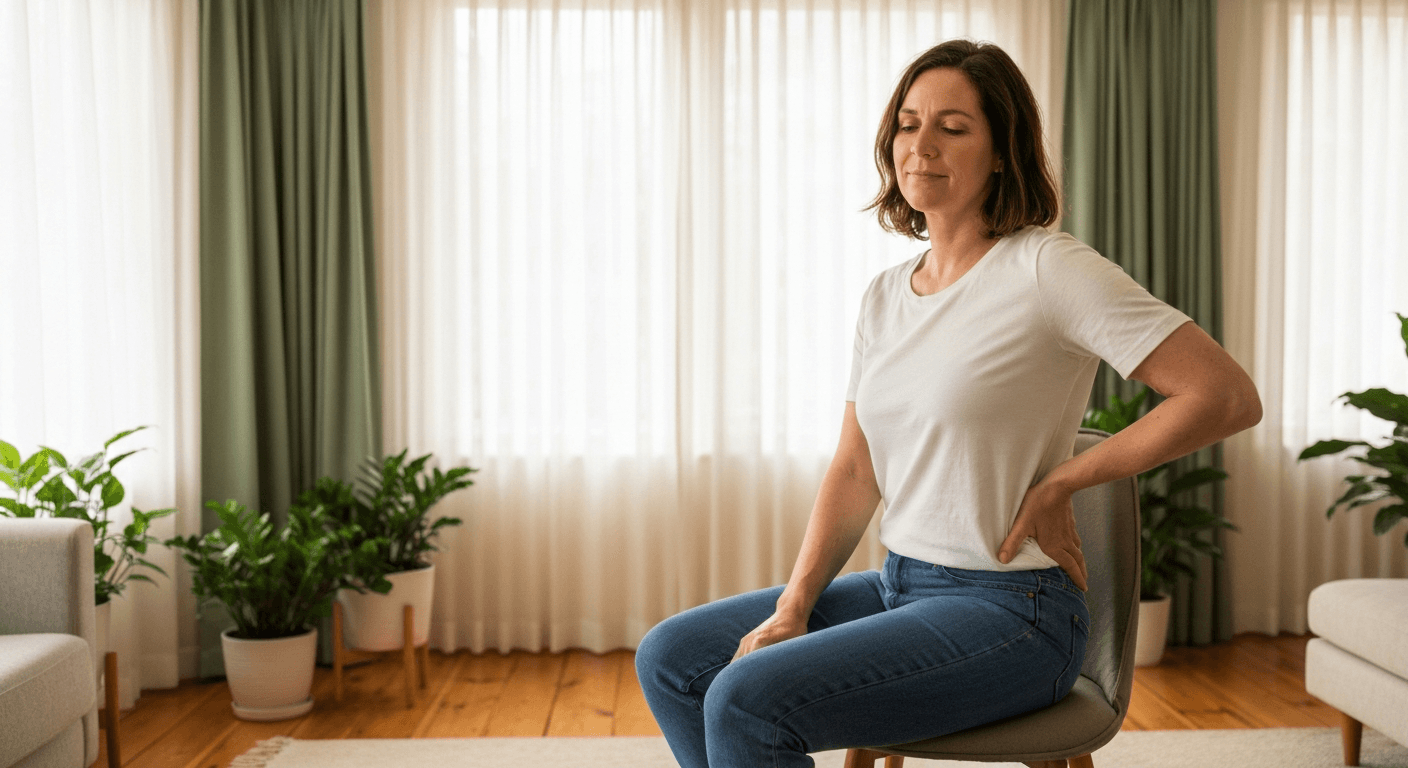
Pelvic girdle pain is pain in the joints of the bony pelvic ring, at the back, the front, or both, that often begins in pregnancy and persists after birth. It is a recognised condition with clear physiotherapy pathways, and many women improve with treatment.
If you have been told to rest, take paracetamol, or just wait it out, this article is for you.
What is pelvic girdle pain?
Pelvic girdle pain is the umbrella term for pain in the bony ring that forms your pelvis. It most commonly presents at the sacroiliac joints (the joints at the back of the pelvis where your spine meets your pelvis), at the pubic symphysis (the joint at the front of your pelvis), or both.
Common descriptions include pain when rolling over in bed, walking (particularly stairs or uneven ground), standing on one leg (getting dressed, stepping into a shower), separating your legs (getting in and out of a car), and prolonged sitting or standing. The pain can range from a dull ache to sharp catching pain, and may radiate into the buttocks, thighs, or groin.
PGP is distinct from lower back pain, though the two can co-exist. A physiotherapy assessment can differentiate between them because they respond to different treatment approaches.
Why does it happen postnatally?
During pregnancy, elevated relaxin levels allow the ligaments around your sacroiliac joints and pubic symphysis to become more lax. This is intentional - it creates the pelvic flexibility needed for birth. The problem is that this increased joint mobility, combined with the physical demands of pregnancy, can stress the structures around the joint and cause pain.
After birth, relaxin levels drop, but the muscles and ligaments that stabilise the pelvis have been working in a different configuration for months. They may be fatigued, stretched, and poorly coordinated. The pelvis, which relies on its surrounding muscles for dynamic stability, is left without adequate support.
PGP does not always resolve spontaneously after birth. Research suggests that without treatment, a proportion of women still experience significant PGP at 12 months postpartum.
What can physiotherapy do?
A pelvic health or musculoskeletal physiotherapist can assess which joints are involved and how movement patterns may be contributing, provide manual therapy to improve joint mechanics and reduce pain, prescribe specific strengthening exercises targeted at the muscles that stabilise the sacroiliac joints (particularly gluteus medius, deep hip rotators, and the pelvic floor), advise on posture, positioning, and load management for daily activities, and recommend a temporary pelvic support belt if appropriate.
The exercises used for PGP are not generic "core exercises". They are specific to restoring the muscle recruitment patterns that support sacroiliac and pubic symphysis stability - which is quite different from doing crunches or planks.
What can you do at home?
While you are waiting for a physiotherapy appointment, some general principles can help. Keep movements symmetrical where possible - step up stairs one step at a time, sit down and then swing both legs together when getting into bed. Avoid activities that load one leg significantly more than the other (single-leg loading is particularly provocative for PGP). When lifting the baby, keep the load close to your body. Consider a firm chair rather than a soft sofa when sitting for feeding.
These are temporary adaptations, not permanent restrictions. As your pelvic stability and strength improve, these modifications become unnecessary.
When should you seek help?
If pelvic girdle pain is affecting your ability to carry out daily activities, disturbing your sleep, or causing you distress, please seek physiotherapy assessment. You do not need to manage this alone. Referrals are available through your GP, or you can self-refer to a private pelvic health or musculoskeletal physiotherapist.
The Postnatal Recovery programme includes gentle pelvic stability work that is appropriate alongside physiotherapy management of PGP - but if you have significant pain, please get an individual assessment first to ensure the exercises are appropriate for your specific situation.
References
- 1. ACPWH. Guidance for health professionals on pelvic girdle pain. Association of Chartered Physiotherapists in Women's Health. 2015.
- 2. Vleeming A, et al. European guidelines for the diagnosis and treatment of pelvic girdle pain. Eur Spine J. 2008.
- 3. Bjelland EK, et al. The association of pelvic girdle pain with depression, anxiety and wellbeing. J Psychosom Obstet Gynaecol. 2013.
- 4. RANZCOG. Routine Postnatal Care. College Statement C-Obs 33. 2021.

Your Pelvic Health Physio
AHPRA registered · 10+ years clinical experience
As a pelvic health physiotherapist with over 10 years of experience, I've worked with hundreds of women navigating their postpartum recovery.
Ready to start your recovery?
The Postnatal Recovery programme gives you physiotherapist-designed, evidence-based guidance to rebuild your pelvic floor and core from home - at your own pace.
View the programme